
Abdominal & Gastrointestinal Surgery
Abdominal & Gastrointestinal Surgery
Abdominal pain has many causes. Our first priority is identifying the source of your concern.
Chronic pain, vomiting, or abnormal findings on a CT or colonoscopy may warrant a surgical evaluation. It is important to remember that a consultation is not a commitment to surgery. As general surgeons, we evaluate these issues to determine if an operation is truly necessary, or if further testing or medical management is the safer, more effective path toward your recovery and long-term health.
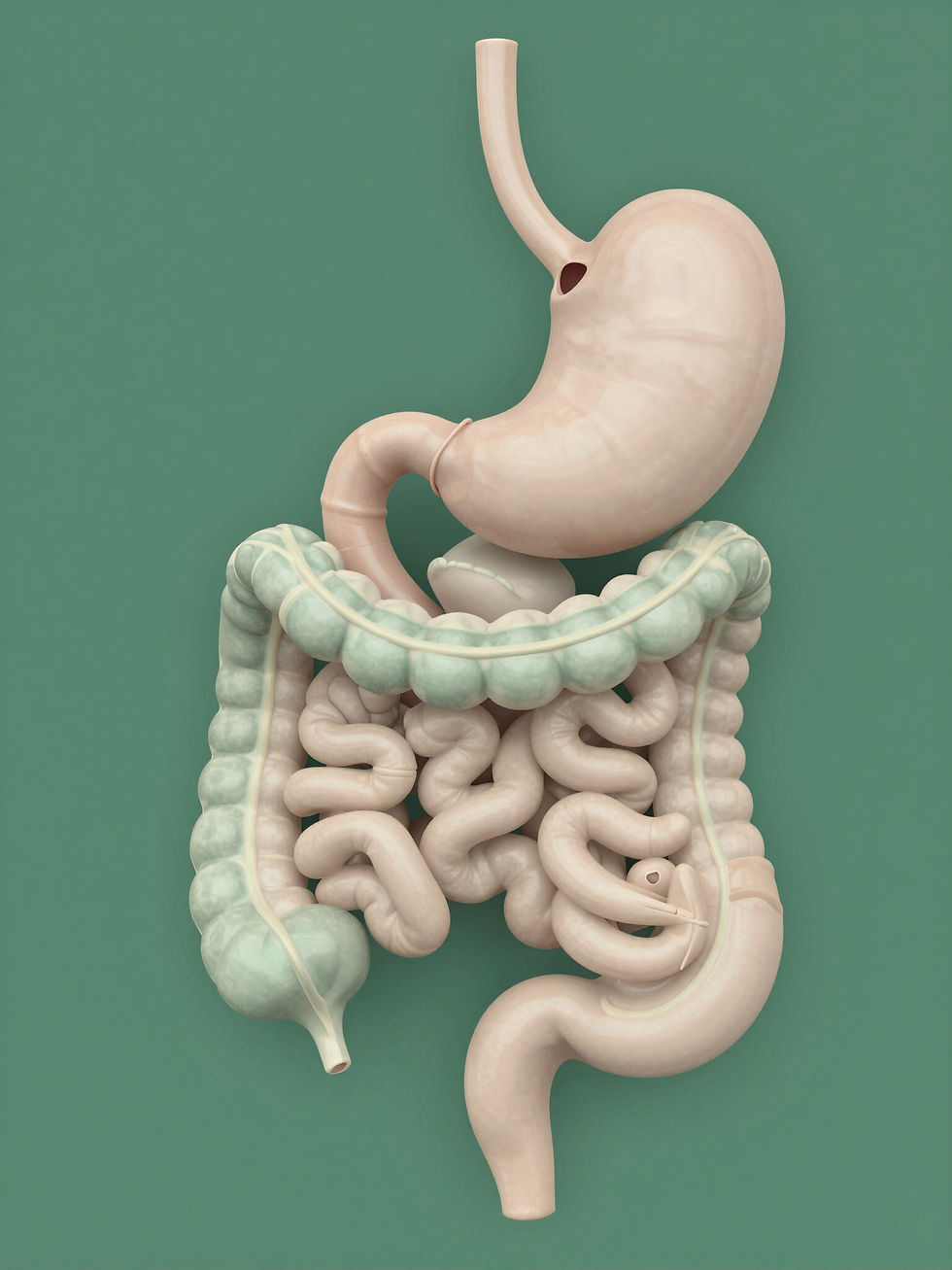

Appendicitis
An inflamed appendix is a frequent reason for a surgical visit. Symptoms often include shifting pain, nausea, and fever, though every patient is different. Early evaluation is vital to distinguish appendicitis from other abdominal issues and to determine if surgery is needed to prevent serious risks like a rupture or localized infection.
Reason for visit: Pain shifting to the lower right abdomen or suspected inflammation seen on a CT or ultrasound.

Diverticulitis & Diverticular Disease
Diverticulitis occurs when small pouches in the colon become infected or inflamed. While many patients recover with non-invasive care, surgery may be necessary for complex cases involving a perforation, abscess, or intestinal narrowing. We also evaluate surgery for recurrent flare-ups that affect your quality of life.
Reason for visit: Repeated left-sided pain, complicated findings on a scan, or discussing elective surgery for the colon.

Abdominal Masses & Other Intra-abdominal Lesions
Finding a mass on a CT, MRI, or ultrasound scan can be stressful. We provide a surgical perspective by reviewing your imaging and health history. Our goal is to decide if the mass needs a biopsy, active monitoring, or surgical removal based on its location and specific characteristics within the abdomen.
Reason for visit: An unexplained growth found on a scan, suspected internal lesions, or needing a surgical view on a biopsy.
CONDITIONS & SURGICAL PROBLEMS
Abdominal and gastrointestinal conditions evaluated
We provide broad General Surgery evaluations for the stomach, intestines, colon, and abdominal wall. It is important to note that most abdominal pain does not require an operation. We help determine if your condition is best managed through surgery, medical monitoring, or a referral to a GI specialist.

Intestinal Obstruction
A bowel obstruction happens when the flow through your intestines is blocked by scar tissue, a hernia, or inflammation. Symptoms include severe bloating, vomiting, and an inability to pass gas or stool. A surgical evaluation determines if the blockage might resolve with hospital monitoring or if an urgent operation is required to clear the path.
Reason for visit: Persistent vomiting, severe distention, no bowel movements, or signs of blockage on an X-ray or CT scan.

Abnormal Bowel or Colon Findings
When a colonoscopy or endoscopy reveals a large polyp, a mass, or a narrowing (stricture) that cannot be treated endoscopically, a surgical assessment is the next step. We evaluate these findings to determine if an operation is necessary to confirm a diagnosis, prevent complications, or remove a concerning growth.
Reason for visit: A mass or polyp found during colonoscopy, colon narrowing, or abnormal biopsy results needing surgery.
Other Stomach, Small-Bowel & Colon Conditions
Various gastrointestinal issues—such as structural problems, perforations, or severe inflammation—may need a surgeon’s expertise. We focus on finding the safest solution for your specific situation. This may involve further diagnostic testing, lifestyle adjustments, or a planned surgical procedure to restore your health.
Reason for visit: Chronic upper GI pain, suspected structural issues, or seeking a second opinion on intestinal surgery.
Abdominal pain does not always mean a surgical problem
Problems that may need surgical assessment
- Appendicitis; Bowel obstruction; Perforation; Complicated diverticulitis; Certain abdominal masses; Structural bowel issues; Abnormal imaging findings.
Problems often treated without surgery
- Indigestion; Gastroenteritis; Most constipation; Irritable bowel syndrome (IBS); Mild reflux; Functional GI issues; Many inflammatory bowel conditions.
Since symptoms often overlap, our evaluation is designed to confirm if surgery is truly appropriate for you, rather than assuming an operation is the only cure.
What happens during an abdominal surgical consultation?
1) Discussing your symptoms
We start with a thorough talk about your health. Understanding how your pain began and its specific nature helps us reach an accurate diagnosis fast.
Our priority is a clear medical plan—not a rushed operation.
2) Reviewing your imaging
We look at the actual images from your CT, MRI, or ultrasound, rather than just the written report. This provides the context needed for a safe plan.
3) Physical examination
A careful physical exam of the abdomen is vital. It reveals clinical signs that scans might miss, helping us confirm if a surgical issue is present.
4) Determining the next step
Together, we decide on the best path. This could range from immediate treatment and further diagnostic work to medical management without surgery.
If an operation is eventually recommended
Your treatment depends on your specific diagnosis. Many procedures are performed laparoscopically (minimally invasive), while others may require an open approach. We tailor every decision to your anatomy, the urgency, and your overall health.
Why the procedure is being suggested
We explain the goals of the surgery, whether it is to resolve an infection, clear a blockage, or remove a growth.
Choosing the right surgical path
We assess whether a laparoscopic or open approach is the safest and most effective option for your unique condition.
Planning for your recovery
We provide clear expectations for your post-operative care, activity levels, and healing timeline based on your health history.
Preparing for your consultation
- Recent CT, MRI, or ultrasound reports and DICOM files; Endoscopy or colonoscopy reports and images; Biopsy or pathology results; Current list of medications and surgical history; A referral letter from your primary care physician.
Please do not delay seeking urgent care if you have severe or worsening pain.
Explaining Acute Appendicitis on National TV
Dr. Juan Miguel T. Delgado, PGH-trained General Surgeon, discusses real warning signs, common myths, and modern keyhole surgery for appendicitis on GMA Public Affairs’ Unang Hirit.
- • Clarifies true symptoms of acute appendicitis vs. common stomach pain.
• Explains causes such as fecaliths and addresses myths like “jumping after eating”.
• Describes how laparoscopic (keyhole) appendectomy is performed and typical recovery expectations.
For non-emergency abdominal concerns, you may schedule a clinic visit for a thorough evaluation.